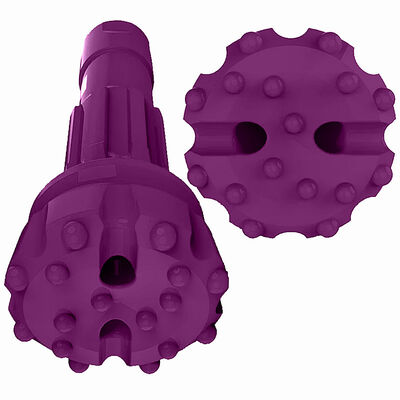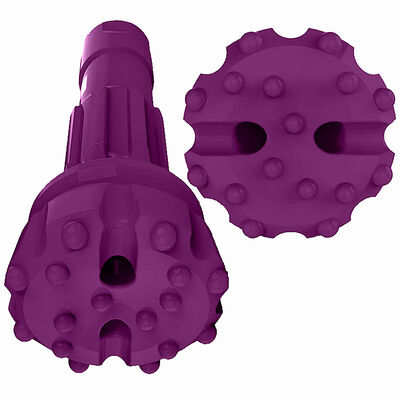
The manufacturing of high-pressure DTH drill bits is a sophisticated process that combines metallurgy, precision engineering,
and advanced material science. The key steps and processes include:
Forging: The bit body is typically forged from high-strength, tough alloy steel (such as AISI 4140 series). Forging aligns the grain
structure of the metal, creating superior strength and impact toughness compared to casting, which is crucial for handling the
high-stress conditions.
Machining: The forged blank is precision-machined on CNC (Computer Numerical Control) lathes and milling machines.
This process creates the bit's specific geometry, including the threads for connection to the drill string, the internal air channels
(flushing holes), and the precise pockets for the carbide buttons.
Carbide Button Manufacturing:
Powder Preparation: Tungsten carbide powder and cobalt powder (the binder) are meticulously weighed and mixed.
Compaction: The mixed powder is pressed into a die under high pressure to form the spherical or hemispherical "button" shape.
Sintering: The compacted buttons are heated in a sintering furnace at temperatures near the melting point of cobalt.
This process densifies the material, fusing the carbide grains within the cobalt matrix to create an extremely hard and wear-resistant component.
Button Hole Machining and Placement: The locations for the carbide buttons are carefully calculated for optimal rock breaking and bit life. Using specialized equipment, precise holes are drilled into the bit's head. The button layout is critical for efficient drilling and even wear.
Carbide Button Insertion (Furnace Brazing): This is a crucial step. The carbide buttons are inserted into their pre-machined pockets. The entire assembly is then placed in a controlled-atmosphere brazing furnace. A brazing alloy (often a silver- or copper-based alloy) is heated until it melts and flows by capillary action into the gap between the carbide button and the steel pocket, creating a strong, metallurgical bond.
Heat Treatment (Hardening and Tempering): After brazing, the steel body of the bit undergoes heat treatment. It is heated to a specific temperature and then quenched rapidly to increase its hardness (martensitic transformation). Subsequently, it is tempered at a lower temperature to reduce brittleness and achieve the ideal balance of high surface hardness and a tough, shock-absorbent core.
![]()
![]()
![]()
![]()
![]()
![]()
![]()
![]()
![]()
![]()
![]()
Products Description
![]()
![]()
![]()
![]()
![]()
![]()
![]()
![]()
Company Profile
![]()
![]()
![]()
![]()
1.What can you buy from us?
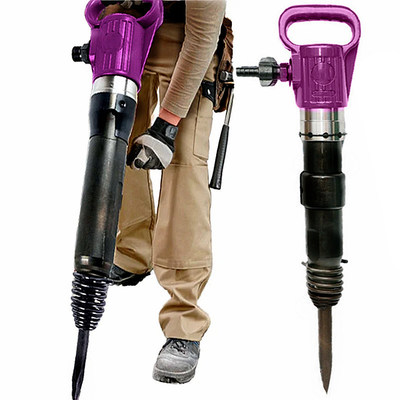
DTH drilling rig,core drilling rig,highway pile driver,solar pile driver ,anchor pile driver,rotary drill rig ,Top Hammer drill rig,underground jumbo drill rig ,hydraulic scaling rig,DTH hammer,drill rod,screw air compressor,water well drilling rig,truck mounted water well drilling rig,reverse circulation drilling rig,environmental drilling rig,screw air compressor,piston air compressor,pneumatic rock drill ,drill bit,tricone bit ,spare parts.
2.How can I make payment?
A:You can pay by credit card, TT, Western Union, LC etc.
3. How is the shipment? How long dose it take?
A: For large quantity or heavy products, we ship by sea shipping or land shipping. Shipping efficiency depends on country and city you want to ship to. For small and delicate products, we ship by DHL, UPS, Fedex or TNT.You can also appoint shipping method you like before we ship.
4.How is your quality control?
A: We have our own experienced QC.There will be strict inspection and testing for every order before shipping out.